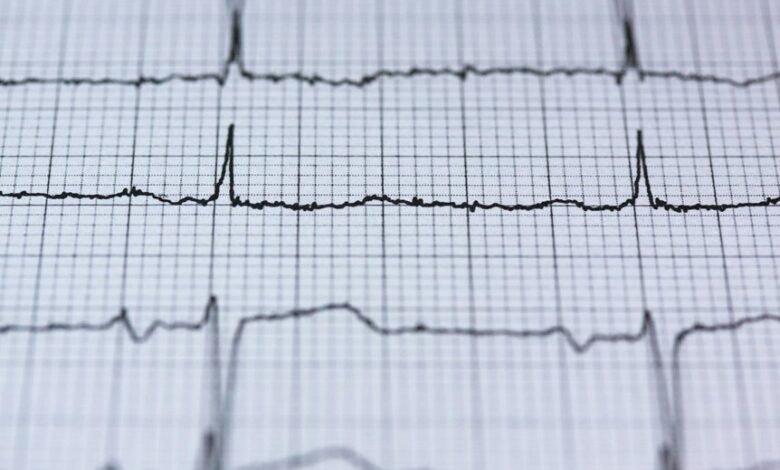
Health monitoring documentation serves as a critical tool in addressing the Cure Pispulyells phenomenon. By systematically tracking patient symptoms and outcomes, healthcare professionals can identify effective treatment mechanisms. This documentation not only aids in tailoring interventions but also enhances overall patient care. Furthermore, integrating feedback records fosters a culture of accountability. Understanding how these elements interact may reveal deeper insights into improving health outcomes across various populations. What implications could this have for future healthcare practices?
The Significance of Health Monitoring Documentation
Health monitoring documentation serves a crucial role in the healthcare ecosystem, providing essential data that informs clinical decision-making and enhances patient outcomes.
By systematically tracking health trends, healthcare professionals can identify patterns, anticipate complications, and tailor interventions accordingly.
This data-driven approach fosters informed choices, ultimately promoting autonomy in patient care and facilitating improved health outcomes across diverse populations, thereby enriching the overall healthcare landscape.
Understanding the Cure Pispulyells Phenomenon
What factors contribute to the Cure Pispulyells phenomenon, a term that encapsulates a unique set of health outcomes observed in specific patient populations? Key elements include the identification of effective cure mechanisms and rigorous symptom tracking. These aspects facilitate the understanding of patient responses, allowing for tailored interventions that enhance overall health outcomes and empower individuals in managing their conditions effectively.
Best Practices for Effective Feedback Systems
Effective feedback systems play a crucial role in enhancing patient care and outcomes across various healthcare settings.
Establishing robust feedback loops ensures continuous improvement by integrating response metrics that accurately reflect patient experiences.
Regular evaluation of these metrics allows healthcare providers to identify areas for enhancement, fostering a culture of transparency and accountability that empowers both patients and practitioners in their healthcare journeys.
The Role of Technology in Enhancing Patient Care
Advancements in technology have significantly transformed patient care, enabling more efficient and personalized healthcare delivery.
Telehealth advancements facilitate real-time consultations, removing geographical barriers and enhancing patient engagement.
Meanwhile, remote monitoring tools empower healthcare providers to track patient health metrics continuously, leading to timely interventions.
Together, these innovations promote autonomy in patient management, ensuring a more responsive and individualized approach to healthcare.
Conclusion
In conclusion, health monitoring documentation is essential for addressing the Cure Pispulyells phenomenon, facilitating tailored interventions through systematic tracking of patient outcomes. Notably, studies indicate that effective feedback systems can improve patient satisfaction by up to 25%. This statistic underscores the importance of integrating robust documentation with feedback mechanisms, enabling healthcare providers to enhance care quality and foster a culture of accountability. Ultimately, such integration leads to informed decision-making and improved health outcomes across diverse patient populations.